Updated November 2026 | Category: Metabolic Health
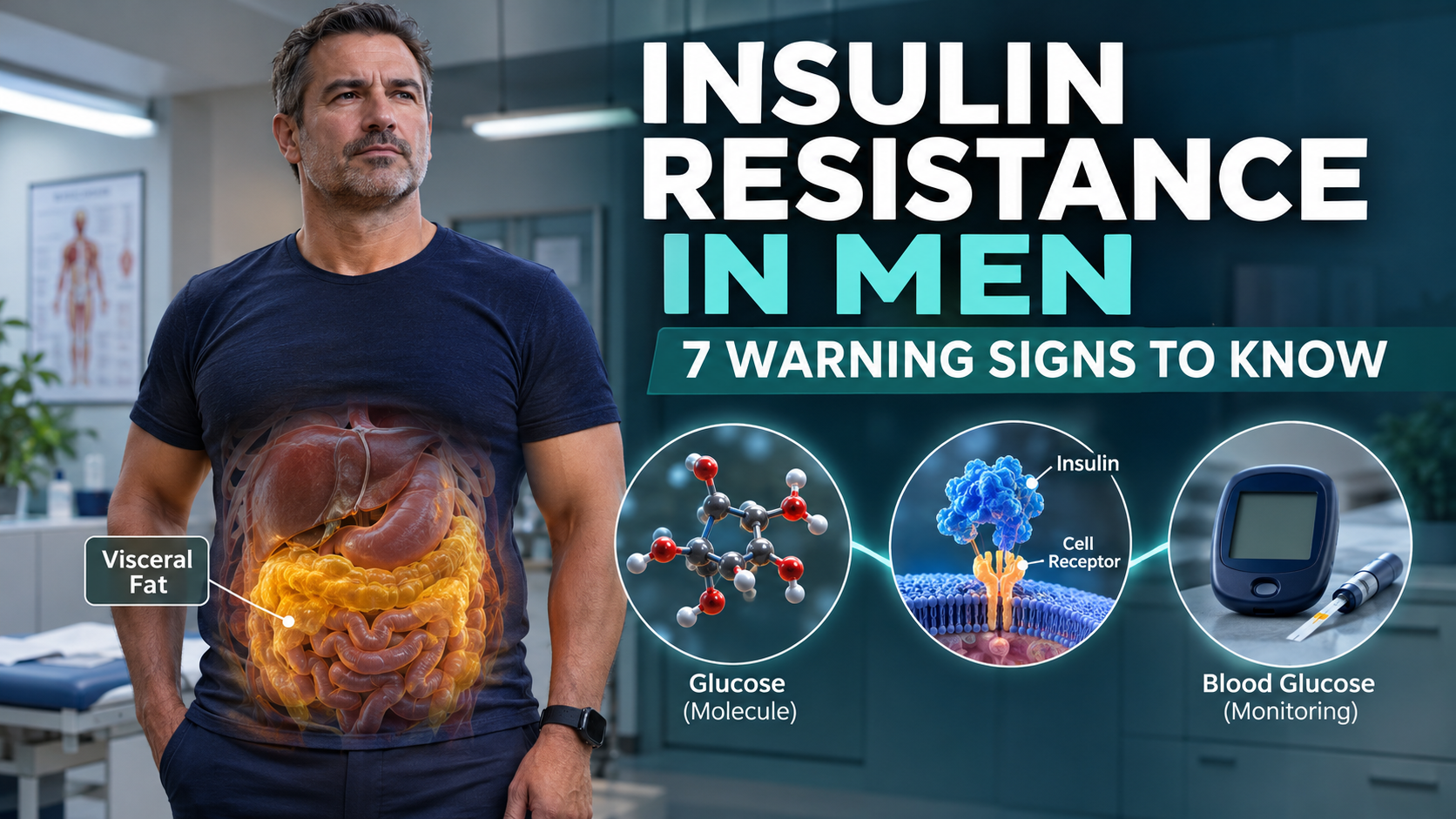
You can feel healthy, maintain a busy schedule, and still have changes developing inside your body that increase your risk of type 2 diabetes and heart disease.
One of those changes is insulin resistance.
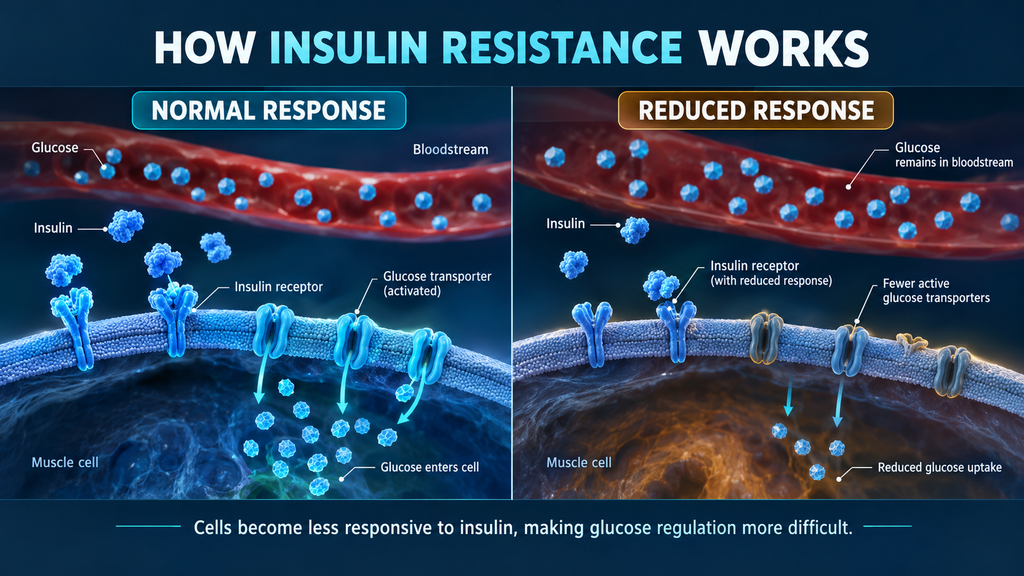
Insulin resistance develops when your body’s cells become less responsive to insulin, the hormone that helps regulate blood sugar. Your pancreas may compensate by producing more insulin, sometimes keeping blood sugar within the normal range for years.
That is what makes the condition easy to overlook.
For men approaching their 40s, 50s, and beyond, the combination of increasing waist size, reduced physical activity, family history, and abnormal metabolic blood tests deserves attention.
The challenge is that insulin resistance usually causes no noticeable symptoms. Some warning signs are visible, while others only appear in laboratory results.
Here are seven important clues worth understanding, what they may mean, and when to speak with a healthcare professional.
What Is Insulin Resistance?
Every time you eat carbohydrates, your digestive system breaks them down into glucose, a form of sugar your body uses for energy.
Your pancreas releases insulin to help move glucose from your bloodstream into cells, particularly muscle and fat cells. Insulin also helps regulate how your liver produces and releases glucose.
When your body becomes insulin resistant, these processes become less efficient.
Your pancreas often responds by releasing additional insulin. Over time, some people can no longer produce enough insulin to maintain normal blood sugar levels.
This may lead to prediabetes and eventually type 2 diabetes.
However, insulin resistance and prediabetes are not the same thing. Someone may have insulin resistance while their blood sugar remains normal, and not everyone with prediabetes will develop diabetes.
According to the National Institute of Diabetes and Digestive and Kidney Diseases (NIDDK), insulin resistance is associated with several metabolic conditions, including high blood pressure, unhealthy cholesterol levels, and metabolic dysfunction-associated steatotic liver disease, often called MASLD.
Understanding these connections gives men an opportunity to recognize their health risks before more serious complications develop.
1. Your Waistline Is Increasing
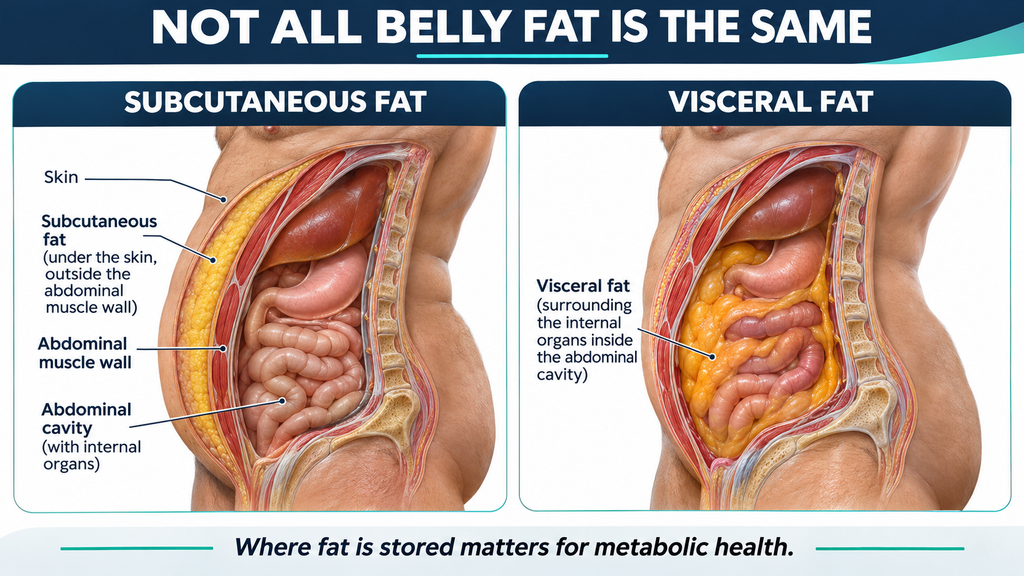
One of the strongest clues of increased metabolic risk is growing abdominal fat, particularly fat stored deep inside the abdomen.
This deeper fat is called visceral fat.
Unlike subcutaneous fat, which sits directly beneath the skin, visceral fat surrounds internal organs.
Excess visceral fat is associated with inflammation, altered fat metabolism, and reduced insulin sensitivity.
A man may gain only a modest amount of weight while his waist circumference increases significantly.
That change matters because abdominal fat can contribute to metabolic risk even when overall body weight does not appear especially high.
What to watch for
Your waist measurement has gradually increased, especially if you also have high blood pressure, abnormal cholesterol, or a family history of type 2 diabetes.
A larger waist does not prove insulin resistance. It is a reason to assess your overall risk, not a diagnosis.
What to do: Measure your waist consistently and discuss increasing abdominal fat with your healthcare professional. Improving your diet, increasing physical activity, and reducing excess body fat can improve metabolic health.
2. Your Blood Pressure Is Higher Than It Used to Be
High blood pressure is sometimes treated as a separate health problem, but it frequently overlaps with insulin resistance.
Both conditions are associated with metabolic syndrome, a cluster of risk factors that increases the likelihood of cardiovascular disease and type 2 diabetes.
The relationship is complex. Excess body fat, changes in blood vessel function, kidney salt handling, inflammation, and other processes may contribute.
Many men feel perfectly normal even when their blood pressure is elevated.
That is why relying on how you feel can be misleading.
What to watch for
Repeatedly elevated blood pressure measurements, especially alongside an expanding waistline or abnormal blood sugar results.
High blood pressure has many possible causes and does not establish that insulin resistance is present.
What to do: Check your blood pressure regularly, confirm abnormal readings with a healthcare professional, and discuss appropriate cardiovascular and diabetes screening.
3. Your Triglycerides Are High or Your HDL Cholesterol Is Low
Your cholesterol report may reveal metabolic problems before you notice any physical changes.
Two measurements deserve particular attention:
- Triglycerides: A type of fat circulating in your bloodstream.
- HDL cholesterol: Often called good cholesterol because it helps transport cholesterol away from tissues.
Insulin resistance is frequently associated with higher triglycerides and lower HDL cholesterol.
This pattern is sometimes called atherogenic dyslipidemia and can accompany other metabolic abnormalities.
For men, HDL cholesterol below 40 mg/dL is one commonly used metabolic syndrome risk marker. Triglycerides of 150 mg/dL or higher are another.
These numbers are not tests that diagnose insulin resistance. They help healthcare professionals evaluate overall cardiovascular and metabolic risk.
What to watch for
Abnormal triglyceride or HDL cholesterol levels on routine blood tests, especially when combined with abdominal weight gain or high blood pressure.
What to do: Ask your healthcare professional to review your lipid panel and whether additional blood glucose testing is appropriate.
4. You Develop Dark, Velvety Skin Around Your Neck or Armpits
Unlike many metabolic risk factors, this warning sign may be visible.
A skin condition called acanthosis nigricans can cause patches of skin to become darker, thicker, and velvety in texture.
Common locations include the back of the neck, armpits, and groin.
Acanthosis nigricans is associated with insulin resistance, although it can also develop for other reasons, including certain medications and medical conditions.
The American Academy of Dermatology recognizes it as a potential sign of prediabetes or diabetes.
These patches are not simply dirt or poor hygiene, and vigorous scrubbing will not remove them.
What to watch for
New, persistent areas of darkened, thickened skin, particularly in body folds.
What to do: Have the changes evaluated by a healthcare professional or dermatologist. If the patches appear suddenly or spread rapidly, seek prompt medical assessment because, rarely, they can be associated with more serious underlying conditions.
5. Your Blood Sugar Is Moving Into the Prediabetes Range
This is one of the clearest measurable warnings that glucose regulation is changing.
Prediabetes means your blood sugar is above the normal range but has not reached the diagnostic threshold for diabetes.
The American Diabetes Association’s 2026 Standards of Care identify prediabetes using any of the following:
| Test | Prediabetes Range |
|---|---|
| Hemoglobin A1C | 5.7% to 6.4% |
| Fasting plasma glucose | 100 to 125 mg/dL |
| Two-hour oral glucose tolerance test | 140 to 199 mg/dL |
The A1C test estimates average blood sugar over approximately two to three months.
Fasting plasma glucose measures blood sugar after at least eight hours without caloric intake.
An oral glucose tolerance test measures how your body handles a standardized glucose drink.
These tests assess glucose regulation. They do not directly measure insulin resistance.
Importantly, someone can have insulin resistance before these tests become abnormal.
What to watch for
A previously normal A1C or fasting glucose result gradually moving upward, even if you feel fine.
What to do: Review your laboratory results with your healthcare professional. Prediabetes is an opportunity for intervention, not a guarantee that diabetes will develop.
6. You Have Signs of Fatty Liver Disease
Your liver plays a major role in blood sugar regulation.
It stores glucose, releases glucose when needed, and responds to signals from insulin.
When excess fat accumulates in the liver in association with metabolic risk factors, the condition may be called metabolic dysfunction-associated steatotic liver disease, or MASLD.
This condition is strongly associated with insulin resistance and other metabolic abnormalities.
Many people with MASLD have no obvious symptoms.
It may first be suspected after routine blood work shows elevated liver enzymes or imaging performed for another reason identifies excess liver fat.
However, liver enzymes can be normal even when fatty liver disease is present, and elevated liver enzymes can have many other causes.
What to watch for
A report mentioning fatty liver, steatosis, or unexplained changes in liver blood tests.
What to do: Ask your healthcare professional whether a metabolic assessment and further liver evaluation are appropriate. Do not assume that a normal liver enzyme result rules out fatty liver disease.
7. You Develop Persistent Thirst, Frequent Urination, or Blurred Vision
These symptoms need a different level of attention.
They are not reliable early signs of insulin resistance.
Instead, they may indicate that blood sugar has already become significantly elevated.
When blood glucose rises high enough, excess glucose can increase urination, leading to fluid loss and greater thirst.
High blood sugar can also temporarily affect vision.
Other possible symptoms of diabetes include unexplained weight loss, unusual fatigue, and increased hunger.
The CDC identifies frequent urination, increased thirst, blurred vision, fatigue, and unexplained weight loss among the symptoms that can occur with diabetes.
These symptoms have several possible causes, but they should not be ignored.
What to do: Arrange prompt medical evaluation and blood glucose testing if these symptoms develop. If you experience vomiting, abdominal pain, rapid or deep breathing, marked weakness, or confusion, seek emergency medical care.
Why Insulin Resistance Matters for Men’s Long-Term Health
The consequences of insulin resistance extend beyond blood sugar.
Insulin resistance often develops alongside factors that raise the risk of cardiovascular disease.
These include excess abdominal fat, high blood pressure, abnormal cholesterol, and fatty liver disease.
This does not mean every man with insulin resistance will develop diabetes or heart disease.
It means these conditions should be assessed together rather than treated as completely unrelated problems.
The earlier a person identifies their risks, the more opportunities they may have to improve their metabolic health.
How Doctors Evaluate Insulin Resistance and Prediabetes
One common misconception is that everyone needs a special fasting insulin test.
In reality, there is no widely standardized routine clinical blood test used to diagnose insulin resistance directly.
Specialized methods for measuring insulin sensitivity are primarily used in research.
In everyday healthcare, clinicians evaluate risk factors and may order tests for prediabetes or diabetes.
These commonly include:
- Hemoglobin A1C.
- Fasting plasma glucose.
- Oral glucose tolerance testing when appropriate.
- Cholesterol and triglyceride testing.
- Blood pressure measurement.
- Other tests guided by medical history and examination.
The American Diabetes Association recommends routine diabetes screening beginning at age 35 for most adults, with earlier testing when overweight or obesity is accompanied by additional risk factors.
People with prediabetes generally need at least annual testing for progression to diabetes.
If test results are normal, repeat screening is generally recommended at least every three years, with more frequent testing when risk is higher.
A clinician may use different tests when an A1C result could be unreliable because of certain blood disorders or other medical conditions.
Can You Improve Insulin Resistance Naturally?
For many people, improving insulin sensitivity is possible through sustainable lifestyle changes.
The best-supported approaches are not expensive detox programs or supplements marketed as insulin cures.
They are ordinary habits, applied consistently.
1. Move More Throughout the Week
Physical activity helps skeletal muscles use glucose and improves insulin sensitivity.
Aim to build toward at least 150 minutes of moderate-intensity activity each week, as recommended in diabetes prevention guidance.
Brisk walking, cycling, swimming, and other activities that raise your heart rate can count.
If you are currently inactive, start with a manageable amount and gradually increase.
2. Include Strength Training
Muscle tissue plays an important role in glucose regulation.
Resistance training helps preserve or build muscle and supports metabolic health.
You do not need an elaborate gym routine.
Depending on your ability and medical circumstances, exercises such as squats, resistance band movements, wall push-ups, or weight training can be useful starting points.
A balanced plan combines aerobic activity with resistance training.
3. Make Your Meals More Blood Sugar Friendly
There is no single mandatory diet for insulin resistance or prediabetes.
The 2026 ADA guidance supports evidence-based eating patterns, including Mediterranean-style and appropriately planned lower-carbohydrate approaches.
A practical meal might include grilled fish, vegetables, beans or a moderate portion of whole grains, and olive oil.
Prioritize fiber-rich foods, adequate protein, minimally processed ingredients, and water instead of sugary beverages.
The most effective eating pattern is one that supports your nutritional needs and that you can maintain.
4. Reduce Excess Body Weight When Appropriate
For adults with overweight or obesity who are at high risk of type 2 diabetes, the ADA recommends lifestyle programs targeting approximately 5% to 7% weight reduction.
That does not mean everyone needs to lose weight.
It means modest, sustainable weight loss can be meaningful for people with excess body fat and elevated metabolic risk.
In the landmark Diabetes Prevention Program, an intensive lifestyle intervention reduced the incidence of type 2 diabetes by 58% compared with placebo over approximately three years.
That result came from a structured program involving dietary changes, physical activity, and ongoing support. It should not be interpreted as a guaranteed individual outcome.
5. Take Sleep and Smoking Seriously
Adequate sleep, regular sleep patterns, and smoking cessation are also important parts of long-term metabolic and cardiovascular health.
If you have loud snoring, breathing pauses during sleep, or excessive daytime sleepiness, discuss possible sleep apnea with a clinician.
Sleep apnea and metabolic disorders frequently overlap, and identifying both conditions may improve overall care.
6. Ask Whether a Diabetes Prevention Program Is Right for You
Lifestyle change can be difficult to maintain without support.
The CDC’s National Diabetes Prevention Program provides structured education and coaching for eligible adults at increased risk of type 2 diabetes.
In certain high-risk people, a clinician may also consider medications, including metformin, as part of an individualized prevention strategy.
Medication decisions depend on medical history, risk factors, benefits, and possible side effects.
Frequently Asked Questions
Can you have insulin resistance without being overweight?
Yes. People who are not classified as overweight may still experience insulin resistance. Family history, activity level, abdominal fat distribution, medications, and other factors influence risk.
Does insulin resistance always turn into diabetes?
No. Some people maintain stable glucose levels, while others progress to prediabetes or type 2 diabetes. Lifestyle changes can significantly reduce risk, particularly in people with prediabetes.
Is feeling tired after eating proof of insulin resistance?
No. Post-meal tiredness can have several explanations and is not a reliable way to diagnose insulin resistance.
Persistent fatigue deserves evaluation, but blood tests and a broader medical assessment are more useful than relying on this symptom alone.
Can insulin resistance be reversed?
Insulin sensitivity can improve, sometimes substantially, through changes in physical activity, body composition, diet, and treatment of contributing conditions.
However, the degree of improvement varies, and the word “reversed” does not guarantee permanent protection from future metabolic problems.
Should men over 40 get their blood sugar tested?
Yes, routine screening is generally appropriate for adults 35 and older under ADA guidance. Earlier or more frequent screening may be necessary for people with additional risk factors.
Final Thoughts: Don’t Wait for Symptoms
The most important lesson about insulin resistance is also the easiest to miss:
You may have no symptoms at all.
An increasing waist measurement, abnormal cholesterol results, high blood pressure, darkened skin patches, fatty liver disease, or rising blood glucose can provide reasons to take a closer look.
None of these findings alone establishes insulin resistance.
But together, they can help identify a person who would benefit from additional metabolic assessment.
For men focused on maintaining energy, strength, heart health, and independence as they age, understanding metabolic risk is a practical investment in long-term health.
You do not need to wait until a diabetes diagnosis to begin making positive changes.
Start with what you can measure, discuss your risks with a qualified healthcare professional, and build habits you can maintain.
Medical Disclaimer
This article is for educational purposes only and does not provide medical advice, diagnosis, or treatment. Symptoms and risk factors discussed here can have multiple causes. Consult a qualified healthcare professional for personal medical guidance, appropriate testing, and treatment recommendations. Do not stop prescribed medication or delay medical care based on information in this article.
Medical References
- American Diabetes Association. Diagnosis and Classification of Diabetes: Standards of Care in Diabetes—2026. Diabetes Care. https://doi.org/10.2337/dc26-s002
- American Diabetes Association. Prevention or Delay of Diabetes and Associated Comorbidities: Standards of Care in Diabetes—2026. Diabetes Care. https://doi.org/10.2337/dc26-s003
- National Institute of Diabetes and Digestive and Kidney Diseases. Insulin Resistance & Prediabetes. https://www.niddk.nih.gov/health-information/diabetes/overview/what-is-diabetes/prediabetes-insulin-resistance
- Centers for Disease Control and Prevention. Symptoms of Diabetes. https://www.cdc.gov/diabetes/signs-symptoms/
- Centers for Disease Control and Prevention. What Is the National Diabetes Prevention Program? https://www.cdc.gov/diabetes-prevention/programs/what-is-the-national-dpp.html
- American Academy of Dermatology. Acanthosis Nigricans: Signs and Symptoms. https://www.aad.org/public/diseases/a-z/acanthosis-nigricans-symptoms
- National Institute of Diabetes and Digestive and Kidney Diseases. Diabetes Prevention Program (DPP). https://www.niddk.nih.gov/about-niddk/research-areas/diabetes/diabetes-prevention-program-dpp