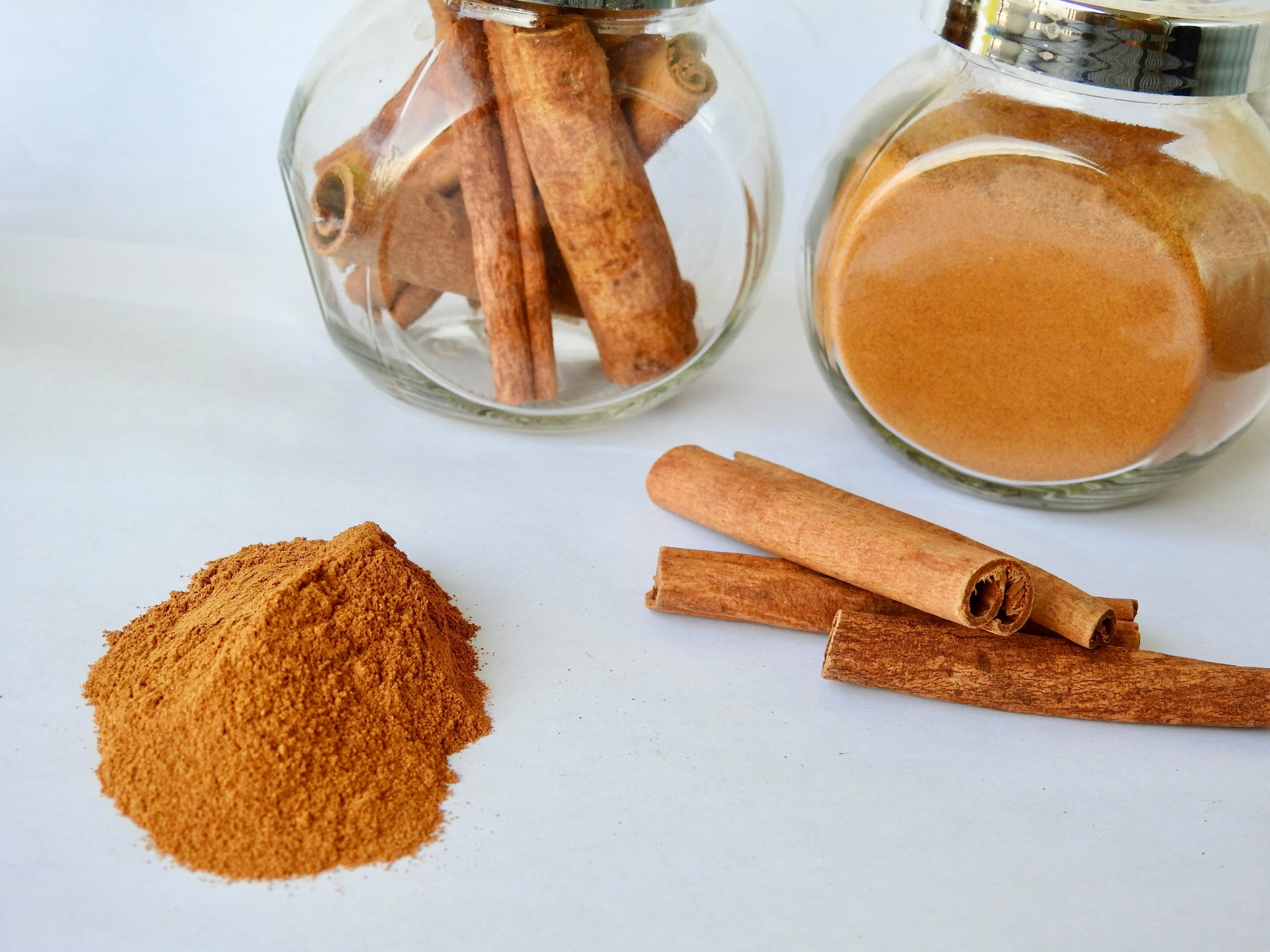
I view cinnamon as a familiar spice with an interesting role in wellness. It may complement prescribed care, but it never replaces medical treatment. Anyone managing type 2 diabetes should discuss new supplements with a qualified clinician.
Type 2 diabetes can affect glucose control over time. Poor control may raise the risk of heart disease, kidney disease, and nerve damage. That makes daily habits, medication plans, and regular checks important parts of long-term health.

Cinnamon contains antioxidants, which may help the body manage oxidative stress linked with chronic disease. A 2003 Diabetes Care study led by Richard A. Anderson reported mean glucose improvements of 18% to 29% among people with type 2 diabetes. This result is promising, yet it does not prove a universal effect.
In this guide, I explain what current research says about cinnamon, possible benefits, safe use, and realistic expectations. Results may differ by variety, amount, study design, and an individual’s care plan.
Key Takeaways
- Cinnamon may complement, not replace, prescribed care.
- Type 2 diabetes can cause serious long-term complications.
- Antioxidants may help limit oxidative stress.
- Research findings remain mixed and limited.
- Ask a clinician before changing your routine.
Cinnamon for blood sugar support: What the research suggests
Research points to a possible role in glucose control, but results remain mixed. I see this spice as a supplement to sound care, not a replacement for medicine, insulin, meal planning, or clinical checks.
How cinnamon may affect insulin sensitivity
Some extracts appear to imitate parts of insulin action and help cells take in glucose. In laboratory work, the Beltsville Human Nutrition Research Center found several-fold increases in insulin activity. That result shows a mechanism, not a proven treatment.
A trial of 80 people with polyendocrine metabolic ovarian syndrome used 1.5 grams daily for 12 weeks. The group showed better insulin sensitivity than the placebo group. A 2019 review also found lower fasting glucose and insulin resistance in adults with diabetes or prediabetes.
Potential effects on fasting and post-meal glucose
A 2018 review reported A1c changes of 0.27% to 0.83% and fasting glucose reductions of up to 52.2 mg/dL. Some research suggests slower stomach emptying or reduced carbohydrate-enzyme activity may blunt rises after meals. These benefits need larger, longer trials.
| Evidence | Finding | Meaning |
|---|---|---|
| Laboratory test | Insulin activity rose several-fold | Suggests a possible pathway |
| 2019 review | Fasting glucose and resistance fell | Promising, but not conclusive |
| 2018 review | A1c fell 0.27%–0.83% | Clinical impact varied |
Potential health benefits of cinnamon for people with type 2 diabetes
I see this spice as a possible addition to a wider health plan. Its effects may vary by dose, product, and personal treatment needs. It cannot replace medicine, meal planning, or regular clinical care.
Antioxidants and oxidative stress
Antioxidants may help the body handle oxidative stress, which often appears with chronic diabetes and heart concerns. This action could explain some reported benefits, yet it does not prove that the spice prevents complications.
Blood pressure and diabetes complications
A 2020 meta-analysis found that at least 2 grams daily lowered systolic and diastolic pressure over 8 weeks. This result may help overall heart health, but it does not establish a diabetes treatment.
What clinical trials have found
A 2016 Tokat trial followed 41 healthy adults. After 40 days, post-meal glucose fell 8.48%, 10.7%, and 12.71% with 1, 3, and 6 grams daily. The 6-gram group also showed a small fasting decline. HbA1c, weight, and BMI did not change significantly.
Richard A. Anderson’s 2003 Diabetes Care study reported improved glucose and lipid measures. Overall, clinical trials suggest possible value, not a cure or replacement for prescribed care.
Ceylon cinnamon and Cassia cinnamon: Understanding the difference
Choosing the right variety can make a practical difference in daily wellness habits. I compare the plant source, antioxidant content, cost, and liver safety before buying a spice or a concentrated product.

Coumarin levels and safe choices
Ceylon cinnamon, also called true cinnamon, comes from the Cinnamomum verum tree. It has a mild, delicate taste and usually costs more. It also appears less often in American grocery stores.
Cassia cinnamon may come from several Cinnamomum species. It is the common choice in stores and many packaged foods. Studies suggest Ceylon may contain more antioxidants, while Cassia often has more coumarin.
Coumarin occurs naturally, yet large amounts may harm the liver. The European Food Safety Authority sets a tolerable intake at 0.1 mg per kilogram of body weight, or 0.045 mg per pound. This matters to people with diabetes who use concentrated products.
- Check the label and plant source.
- Choose true cinnamon when regular use concerns you.
- Ask a clinician about supplements or liver health.
Practical ways I use cinnamon in my wellness routine
Small kitchen habits make this routine easy to enjoy without treating it as medical care. I use a measured amount and keep my wider health plan in place.

Adding ground cinnamon to meals and drinks
I stir a light sprinkle into oatmeal, coffee grounds, orange juice, salads, or savory meats. Richard A. Anderson reported that its active components dissolve in water and differ from those in oil, which is mainly fat-soluble. His studies also found that heat did not destroy these components.
- Start with a small, measured amount.
- Use it in meals instead of adding extra sweeteners.
- Track personal responses rather than assuming benefits.
Using tea and sticks
I make tea with ground spice, then let the solids settle before sipping. A stick creates a clearer cup and adds a gentle flavor. Brewed coffee and tea offer simple options during the day.
Anderson reported better blood sugar and lipid measures with about one-half teaspoon per day or less. I treat that amount as a historical research reference, not a universal dose. People who monitor sugar levels should discuss regular cinnamon use with a clinician.
Safe use, daily amounts, and important precautions
Safe use starts with a measured plan, not a large scoop. Studies commonly test 1 to 6 grams per day, but those amounts are research settings, not personal dosing instructions. I would ask a healthcare professional before making routine changes.
Coumarin deserves attention. In a 165-pound adult, about 2.5 grams, or one-half teaspoon, of average Cassia may reach the tolerable daily limit. Ceylon has much less coumarin, so it may suit regular culinary use better.
Never use cinnamon supplements to replace treatment, insulin, meal planning, or activity. People taking diabetes medicine or insulin may see changing blood sugar. A clinician can help them monitor blood sugar levels and adjust care safely. I would also avoid using these products to lower blood sugar without guidance.
- Ask a clinician before daily use.
- Use extra caution during pregnancy or nursing.
- Seek advice before giving supplements to children.
- Stop use and report unusual symptoms.
Long-term safety data remain limited in young people and those who are pregnant or nursing. Careful records can reveal changes in sugar levels and help a clinician manage care.
| Concern | Practical step | Reason |
|---|---|---|
| Coumarin | Choose Ceylon | Lower exposure |
| Medication | Consult a clinician | Reduce interaction risk |
| Special groups | Avoid routine supplements | Limited long-term data |
Conclusion
My takeaway is simple: cinnamon may help modestly with blood sugar control, yet it cannot replace medicine, meal planning, or medical care. The 2018 review found fasting glucose reductions of up to 52.2 mg/dL, while other trials showed mixed HbA1c results.
Antioxidant activity, insulin sensitivity, post-meal glucose, and blood pressure remain promising research areas. These possible benefits are not guaranteed results. Ceylon generally contains less coumarin than Cassia, so the source matters when I use it often.
Anyone with type 2 diabetes, especially someone using insulin or glucose-lowering medicine, should speak with a doctor prior to raising daily intake. I would track blood sugar levels and keep my care plan steady. Balanced choices and expert guidance create a safer path to better health.
FAQ
Can cinnamon help manage blood sugar in type 2 diabetes?
I see research suggesting a modest glucose benefit in some adults. Results vary, so I would not treat this spice as a replacement for prescribed care.
How might it affect insulin sensitivity?
Some studies suggest it may help cells respond to insulin. This effect could matter in people with insulin resistance, but researchers still need stronger evidence.
What have clinical trials found?
Clinical trials show mixed results. Some report lower fasting glucose or improved post-meal levels, while others find little change.
Could it help with oxidative stress?
This spice contains antioxidants that may help the body manage oxidative stress. I view this as a possible wellness benefit, not a proven diabetes treatment.
Can it affect blood pressure?
Early research suggests a possible small effect, but the evidence remains limited. I would continue any prescribed plan and track readings as advised.
Is Ceylon or Cassia cinnamon a safer choice?
Ceylon, also called true cinnamon, usually contains less coumarin than Cassia. High coumarin intake may place stress on the liver, so I prefer Ceylon when using larger amounts.
How much should I take each day?
There is no agreed daily dose. I use small culinary amounts and ask a clinician before trying concentrated products or long-term high intake.
Can I add ground spice to meals or tea?
Yes. I may stir a small amount into oatmeal, yogurt, coffee, or tea. Cinnamon sticks can add flavor without requiring a large serving.
Are cinnamon supplements a good option?
Supplements can vary in strength and purity. I would check the label, avoid high-dose products, and discuss them with a pharmacist or clinician.
Can it replace diabetes medicine?
No. I would never stop insulin or another prescribed medicine based on supplement claims. A healthcare professional can help adjust treatment safely.
Who should ask a clinician before using it?
I would seek advice first if I had liver disease, took medicines that affect glucose or clotting, was pregnant, or planned regular supplement use.