The relationship between physical activity and hormone production is a cornerstone of men’s health. For men, exercising three to four times a week as part of a regular routine is associated with stable, healthy hormone levels. However, the specific ways we move—and the variables surrounding those movements—dictate whether we are optimizing our biology or inadvertently working against it.
I want to get straight to the point: Yes, exercise definitely increases your testosterone, but the impact is more nuanced than a simple, permanent boost. Based on the scientific evidence I’ve reviewed, you can expect an immediate spike in hormone levels—especially after heavy resistance training or High-Intensity Interval Training (HIIT)—that typically lasts between 15 minutes and one hour post-workout.
However, I’ve also found that these short-term surges are only one part of the equation. Factors such as your age, current weight, and even the order in which you perform your exercises determine whether you’re actually moving the needle on your long-term hormonal health. To help you navigate these variables and avoid common pitfalls—like the overtraining trap that can actually cause your levels to drop—I’ve put together a comprehensive breakdown of the most effective strategies.
Keep reading to discover the specific compound movements, rest intervals, and recovery secrets you need to master your biology and achieve lasting results.
I. Introduction: The Biological Connection Between Movement and Hormones
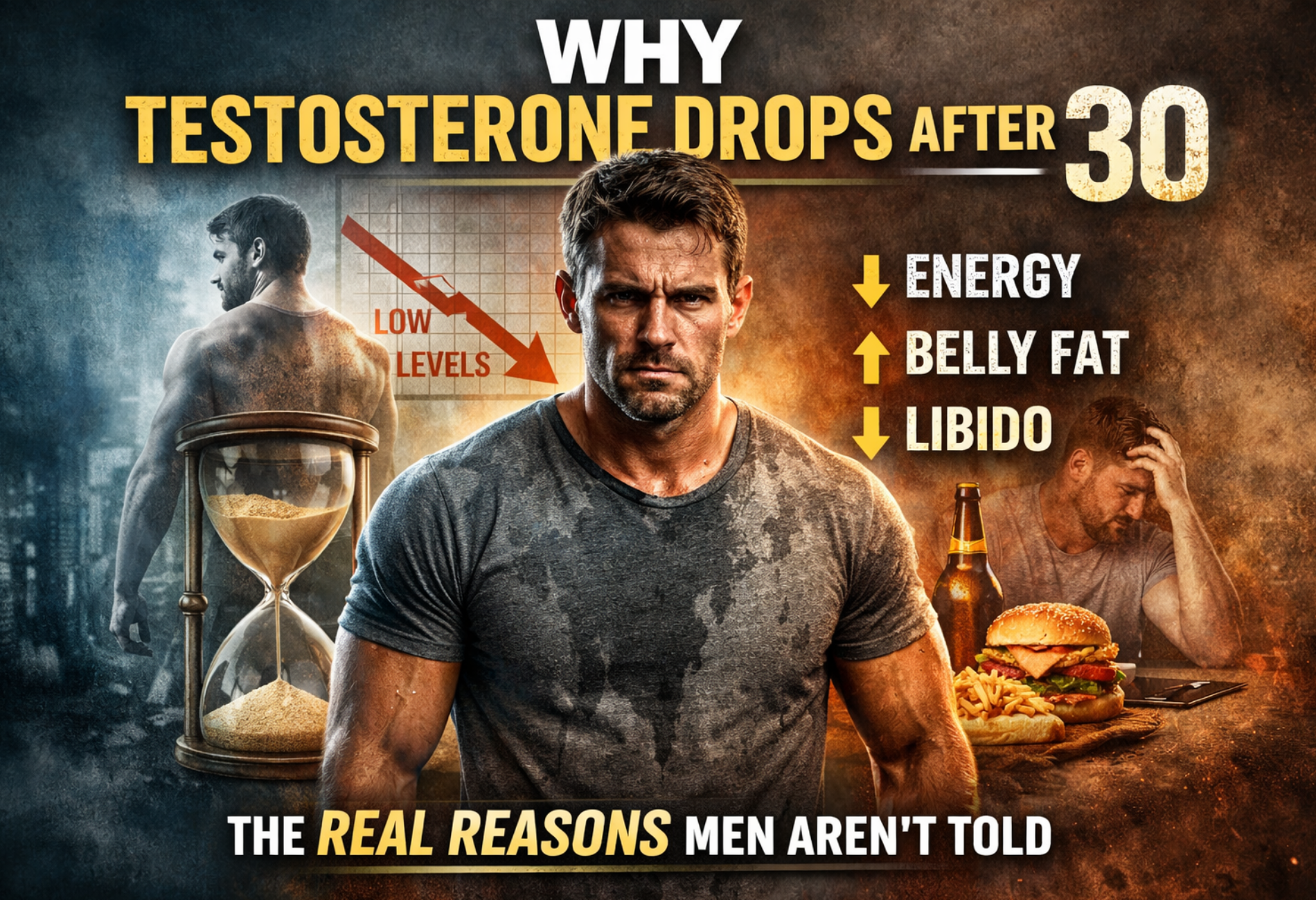
Testosterone is the primary male sex hormone, essentially serving as a chemical messenger responsible for libido, muscle growth, mood, and physical strength. Beyond athletic performance, maintaining physiological levels of testosterone is vital for long-term health, as low levels are linked to sarcopenia (muscle wasting), obesity, type 2 diabetes, and heart disease.
When discussing exercise and testosterone, it is critical to distinguish between two types of hormonal responses:
- Acute Spikes: These are temporary elevations that occur during and immediately after exercise, typically lasting between 15 minutes and one hour.
- Basal (Resting) Levels: These are your long-term, baseline concentrations. While exercise is a potent stimulant for acute spikes, its ability to permanently raise resting levels in healthy, lean men is still a subject of scientific debate, with many studies showing resting levels remain largely unchanged despite regular training.
II. Ranking Workout Modalities: What Works Best?
Not all exercises impact the endocrine system equally. Scientific literature identifies clear hierarchies in workout effectiveness:
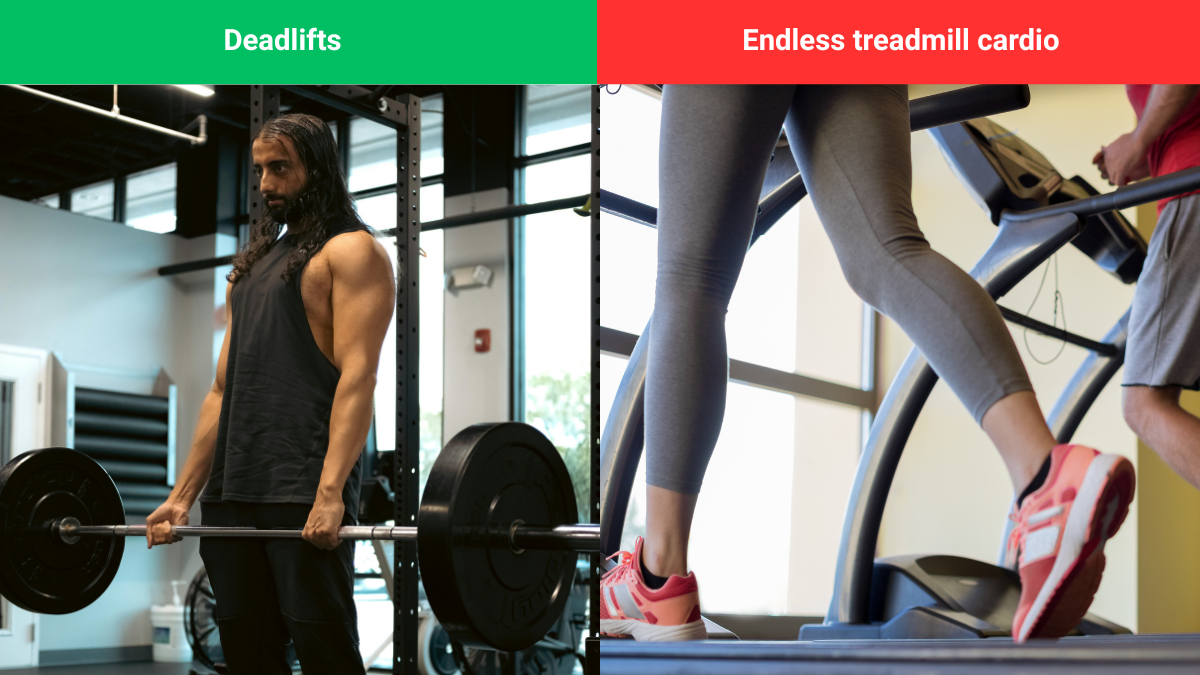
- Resistance (Strength) Training: This is the most effective way to boost testosterone in both the short and long term. Lifting weights signals the body to increase hormone production to aid in muscle repair and growth.
- High-Intensity Interval Training (HIIT): For men, short bursts of intense activity (such as sprinting or rowing) followed by brief recovery periods trigger a significant testosterone surge. One study found that intense interval running boosted free testosterone more effectively than running at a steady pace for 45 minutes.
- Moderate-Intensity Aerobic Exercise: Activities like jogging or swimming offer general health perks but primarily support testosterone indirectly. Their main benefit lies in weight management, which helps maintain healthy levels by reducing body fat.
- The “Order of Operations”: If you combine modalities, the order matters. Research suggests that performing weight training first, followed by cardio, is optimal for testosterone. Doing endurance work first can actually lead to a decrease in testosterone during the subsequent lifting session.
III. The “Testosterone Protocol”: Optimizing Your Training Variables
To maximize the hormonal response, your workout structure should follow specific scientifically supported protocols:
- Prioritize Compound Exercises: Focus on multi-joint movements—such as squats, deadlifts, and bench presses—that engage multiple large muscle groups simultaneously. The more muscle mass involved, the more significant the hormonal stimulus.
- Heavy Loads and High Intensity: Working in the one-to-eight repetition range (utilizing 70% to 95% of your maximum effort) is the best-supported method for increasing testosterone.
- The “Not to Failure” Rule: While training with intensity is necessary, neuroscientists have noted that the greatest increases often occur when you do not work to the point of absolute failure (where a rep becomes impossible). This is believed to be due to the specific ways the nervous system recruits high-threshold motor units.
- Short Rest Intervals: Keeping rest periods to one minute or less between sets has been shown to result in higher immediate post-exercise testosterone levels.
IV. Factors That Modulate Your Results (Individual Variability)
Hormonal responses are highly individualized and are influenced by several biological factors:
- Age: Younger men generally experience the largest post-exercise spikes. However, the capacity to produce testosterone does not vanish with age; research confirms that even men in their 70s can still generate a boost with the right exercise stimulus.
- Body Weight and Obesity: Obesity is a significant inhibitor of testosterone. Excess abdominal fat produces an enzyme called aromatase, which converts free testosterone into the female sex hormone estradiol. In men with obesity, weight loss through exercise is often the most effective way to raise basal testosterone levels.
- Biological Sex: While men see significant increases from resistance training, women experience almost no increase or only very temporary gains. Furthermore, HIIT has been shown to reduce testosterone in women, which may actually be beneficial for those with abnormally high levels.
- Fitness Level: Beginners or “deconditioned” individuals often see a more dramatic hormonal spike when they first start a routine, though the body eventually adapts, leading to a more moderated response over time.
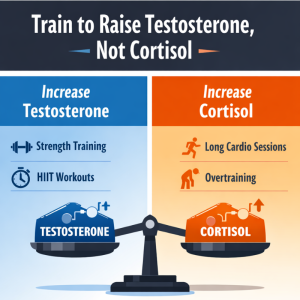
V. The Overtraining Trap: When Exercise Becomes Counterproductive
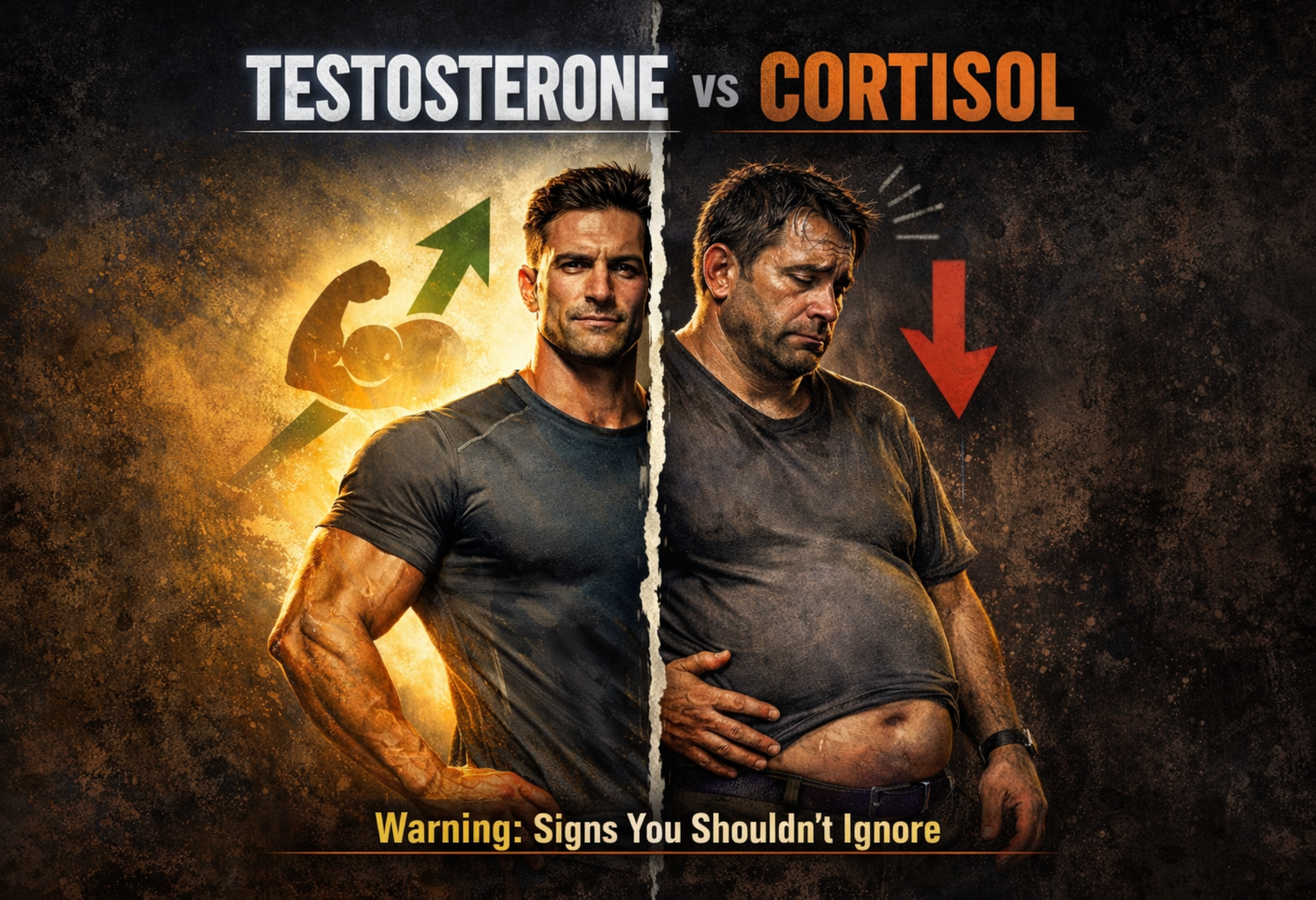
More is not always better when it comes to hormone health. Overtraining—excessive exercise without adequate rest—can lead to a decrease in testosterone levels. This is often driven by a spike in cortisol, a stress hormone that actively inhibits testosterone production.
To avoid this, endurance athletes should be cautious of the 75-minute threshold; exercise extending beyond this duration can lead to a significant drop in testosterone. Common red flags of overtraining include excessive soreness, trouble sleeping, and a loss of performance or strength.
VI. Beyond the Gym: Lifestyle Pillars for Hormone Support
Exercise is only one piece of the puzzle. Optimal hormone health requires a holistic approach:
- Sleep Hygiene: Testosterone is primarily produced during Deep REM cycles. Aim for 7 to 10 hours of sleep per night to allow the body to repair muscle and restore hormone levels.
- Nutrient-Rich Nutrition: A diet supporting testosterone should include healthy fats (mono and polyunsaturated), protein, and adequate amounts of zinc, vitamin D, and magnesium. Notably, HDL cholesterol (the “good” cholesterol) is a critical component used by the body to build testosterone.
- Stress Management: Chronic stress keeps cortisol levels elevated, which can suppress the hypothalamic-pituitary-testicular axis and lower production.
Analogy for Understanding
To visualize how exercise impacts your hormones, think of your testosterone levels as a smart-phone battery. Resistance training and HIIT are like “fast chargers”—they provide a significant, high-voltage boost in a very short amount of time. However, if your “phone” (your body) is constantly running too many background apps (high stress and cortisol) or if you never plug it in for a full night’s rest (sleep), even the best charger won’t keep the battery full for long. Consistent, healthy habits are what maintain the long-term health of the battery itself.
This comprehensive list of frequently asked questions and answers draws on the provided sources to address the search intent regarding the intersection of exercise and testosterone.
General Exercise and Testosterone Questions
Does exercise actually increase testosterone? Yes. For men, regular exercise—specifically three to four times a week—is associated with stable elevations in testosterone levels. However, most increases are acute, meaning they occur immediately after a workout and typically last between 15 minutes and one hour.
What are the best types of exercise for boosting testosterone?
- Resistance (Strength) Training: This is the most effective method. Compound exercises that work multiple large muscle groups (squats, deadlifts, bench presses) provide the most significant stimulus.
- High-Intensity Interval Training (HIIT): Short bursts of intense activity (sprinting, cycling) can lead to a significant testosterone surge in men.
Does cardio (aerobic exercise) help increase testosterone? Moderate-intensity cardio, like jogging or swimming, does not directly boost testosterone. However, it helps indirectly by assisting with weight management. Excess body fat is linked to lower testosterone; therefore, losing weight through cardio can support healthier basal levels.
Workout Protocol and Timing
How should I structure my strength training for the biggest boost? The sources suggest a specific protocol to optimize the hormonal response:
- Heavy Loads: Use weights in the one-to-eight repetition range (70% to 95% of your maximum effort).
- Short Rest Periods: Use rest intervals of 60 seconds or less between sets.
- Avoid Absolute Failure: Neuroscientists suggest that working with heavy loads but not to the point of absolute failure (where you cannot finish a rep) leads to the greatest increases.
Should I do cardio or weights first? If you are doing both in one session, you should perform weight training first. Research indicates that performing endurance work before lifting can lead to a decrease in testosterone during the strength session.
Is there a “best” time of day to work out for testosterone? Testosterone levels naturally pulse throughout the day, usually peaking in the morning. However, some research suggests that strength training in the evening may have a more potent effect on boosting levels compared to morning sessions.
Individual Factors (Age, Sex, and Weight)
Does age affect how much of a boost I get? Yes. While younger men typically experience the most significant post-exercise spikes, older men (even in their 70s) still mount a testosterone elevation after a workout. However, as men age, they may lose about 1% to 3% of their testosterone production per year—a process sometimes called andropause.
Does biological sex matter for this response? Significant increases in testosterone following resistance training are primarily seen in men. Women experience almost no increase or only very temporary gains. Notably, HIIT can actually reduce testosterone in women, which may be beneficial for those with abnormally high levels.
How does body weight impact my results? Obesity can blunt the body’s hormonal response to exercise. Specifically, excess abdominal fat produces an enzyme called aromatase, which converts free testosterone into estradiol (a female sex hormone). For overweight men, losing weight is often more effective at raising resting testosterone than the exercise itself.
Safety and Recovery
Can I exercise too much? Yes. Overtraining—excessive exercise without rest—triggers a rise in cortisol (a stress hormone), which inhibits testosterone production. Endurance exercises that extend beyond 75 minutes have been shown to cause testosterone levels to drop.
What are the signs that I am overtraining? Key indicators include:
- Excessive soreness and trouble recovering.
- Trouble sleeping.
- Losses in performance and physical strength.
Does high testosterone from exercise increase the risk of prostate cancer? According to featured experts, the answer is no. While prostate cancer cells need some testosterone to grow, they do not grow “more vigorously” in high-testosterone environments compared to normal ones. Exercise is considered salutary and helpful for men following cancer treatment.
Lifestyle Factors
What else can I do naturally to support my levels?
- Sleep: Aim for 7 to 10 hours per night. Testosterone is primarily produced during Deep REM cycles.
- Diet: Ensure adequate intake of healthy fats (mono and polyunsaturated), protein, and micronutrients like zinc, magnesium, and vitamin D.
- Stress: Manage chronic stress to keep cortisol levels low.
Analogy for Understanding Think of your testosterone like a bank account. Resistance training and HIIT are like bonus checks—they provide a quick, exciting boost to your balance (the acute spike). However, your “daily salary” (basal levels) is determined by your long-term habits: consistent sleep, a clean diet, and maintaining a healthy weight. If you overtrain, it’s like overspending—eventually, the stress on the account leads to a deficit, regardless of your bonuses.
If you’re serious about training for optimal testosterone, diet, workout structure, and recovery are just the foundation — and for many men, targeted supplementation can help bridge the gap between effort and results. That’s why I recommend checking out DAA Max. It’s a natural D-Aspartic Acid formula designed to support your body’s own testosterone production, help improve strength and recovery after tough workouts, and keep your hormone balance on track while you train hard. Users have seen noticeable improvements in energy, drive, and workout performance — especially when paired with the resistance training strategies we talked about above — and you can try it risk-free to see how it fits into your routine.
Frequently Asked Questions About Exercise and Testosterone
Does exercise really increase testosterone?
Yes, exercise can increase testosterone, but only certain types. Strength training and high-intensity interval training (HIIT) are the most effective. Long, exhausting workouts and excessive cardio can actually lower testosterone by increasing cortisol.
What type of exercise boosts testosterone the most?
Resistance training using compound movements—such as squats, deadlifts, presses, and rows—produces the strongest testosterone response. Short, intense workouts that train large muscle groups are far more effective than long, low-intensity sessions.
How long does testosterone stay elevated after exercise?
Testosterone typically rises for 30 minutes to a few hours after intense exercise. Over time, consistent training combined with proper recovery can help improve baseline testosterone levels, not just temporary spikes.
Does cardio lower testosterone?
It depends on the type and amount. Light cardio and short HIIT sessions can support hormone health. Long-distance running, daily intense cardio, and endurance training performed too often can lower testosterone by chronically elevating cortisol.
Is running bad for testosterone?
Occasional running is not a problem. However, frequent long-distance running or marathon-style training has been linked to lower testosterone levels, especially when paired with calorie restriction and poor recovery.
Can overtraining reduce testosterone?
Yes. Overtraining is one of the fastest ways to suppress testosterone. Training hard every day without adequate rest raises cortisol, disrupts sleep, and interferes with hormone production—even if workouts feel productive.
How often should I work out to increase testosterone?
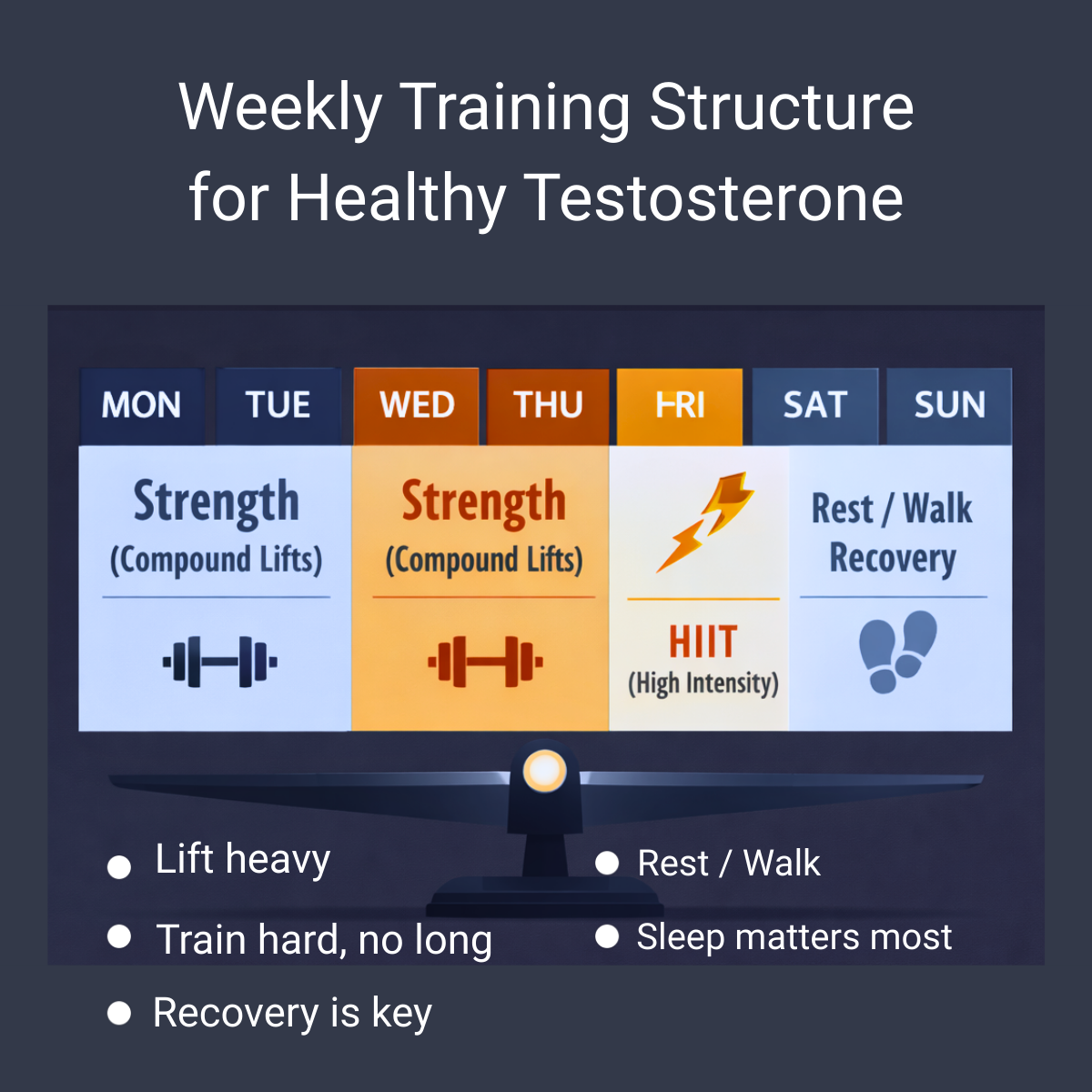
For most men, 3–4 days of strength training per week plus 1–2 short HIIT sessions works best. Rest days are critical. Testosterone is built during recovery, not during the workout itself.
Do rest days really matter for hormone health?
Absolutely. Without rest, testosterone production drops and cortisol rises. Rest days allow your nervous system, muscles, and hormones to recover and adapt. Skipping rest is not discipline—it’s self-sabotage.
Does lifting heavy weights increase testosterone more than light weights?
Yes. Heavier loads that challenge large muscle groups tend to produce a stronger hormonal response. That said, volume, intensity, and recovery matter more than chasing maximum weight at all costs.
Can exercise increase testosterone in older men?
Yes. Men over 40 and even over 60 can improve testosterone levels with proper strength training. However, recovery becomes more important with age, and training volume usually needs to be lower than in younger men.
How long does it take to improve testosterone with exercise?
Some benefits, like energy and mood, can appear within weeks. Meaningful improvements in testosterone levels typically take several months of consistent training, adequate sleep, and proper nutrition.
Is exercise enough to fix low testosterone?
Exercise can significantly improve testosterone in men with lifestyle-related declines. However, it may not fully correct clinically low testosterone caused by medical conditions. Exercise should be the foundation before considering supplements or therapy.
Can exercise replace testosterone therapy (TRT)?
Exercise cannot replace TRT for men with severe medical testosterone deficiency. However, it can reduce symptoms, improve overall health, and sometimes delay or reduce the need for therapy when low testosterone is lifestyle-related.
Does sleep affect testosterone as much as exercise?
Yes—often more. Poor sleep can reduce testosterone levels dramatically, even if training is perfect. Less than 6 hours of sleep per night is consistently associated with lower testosterone production.
What are signs my workouts are hurting my testosterone?
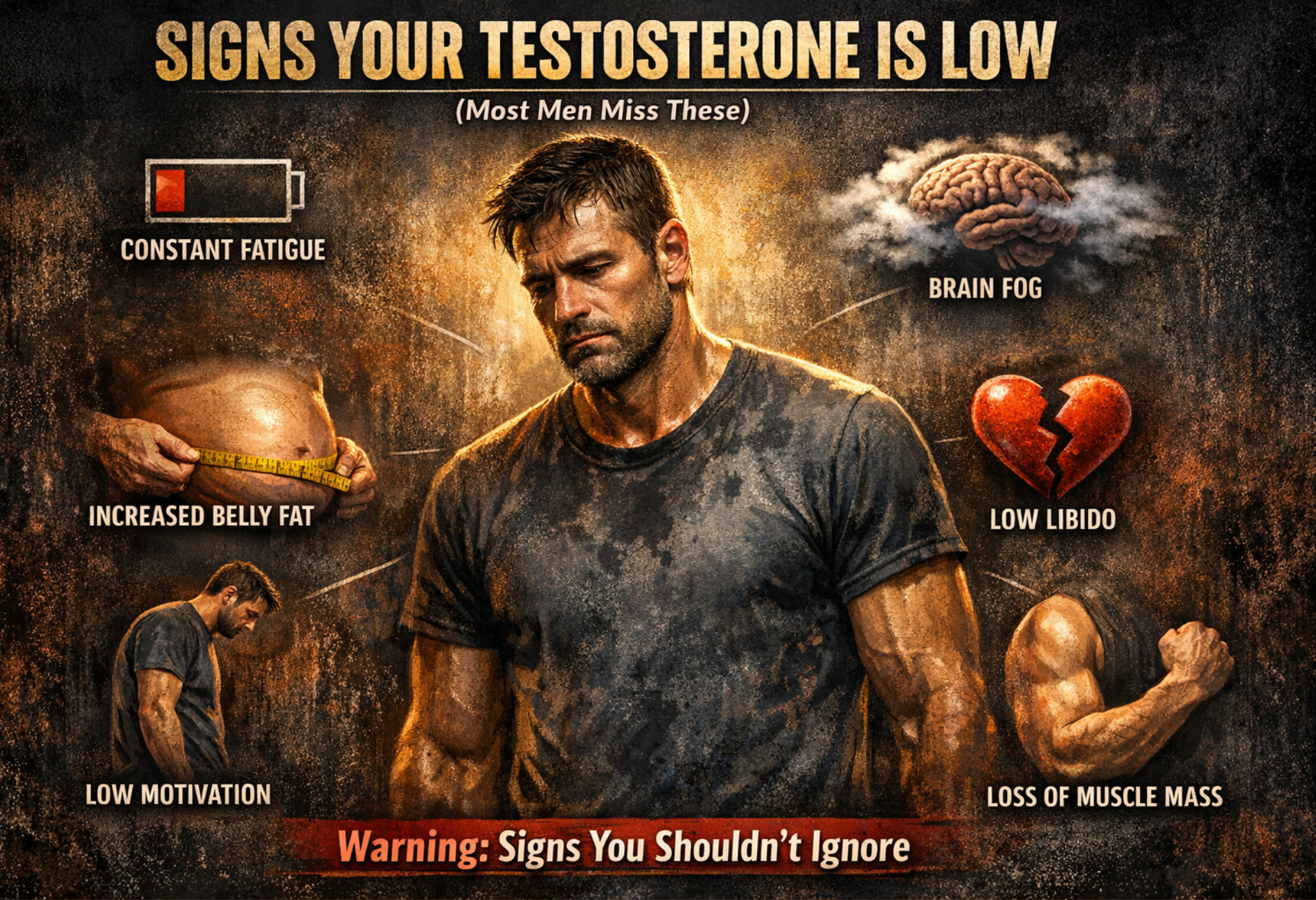
Common signs include constant fatigue, poor sleep, stalled strength gains, low motivation, increased body fat, and reduced libido. These are often warning signals of overtraining or under-recovery.
Is morning or evening exercise better for testosterone?
There is no major long-term difference. Testosterone is naturally higher in the morning, but consistency and workout quality matter far more than timing. Train when you can perform best and recover properly.
Do supplements work better than exercise for testosterone?
Supplements may help in specific deficiencies, but they cannot replace the hormonal impact of proper training, sleep, and recovery. Exercise remains the most reliable natural way to support testosterone levels.