If you’re over 30 and feel weaker, more tired, less motivated, or suddenly softer around the waist, this isn’t “just aging.”
It’s hormonal decline, and testosterone is usually at the center of it.
Most men are never told why testosterone drops, only that it does. Worse, they’re given bad advice that either doesn’t work or makes things worse. Let’s break down what’s actually happening inside your body and what you can do about it.
Testosterone Peaks Early Then Slowly Declines
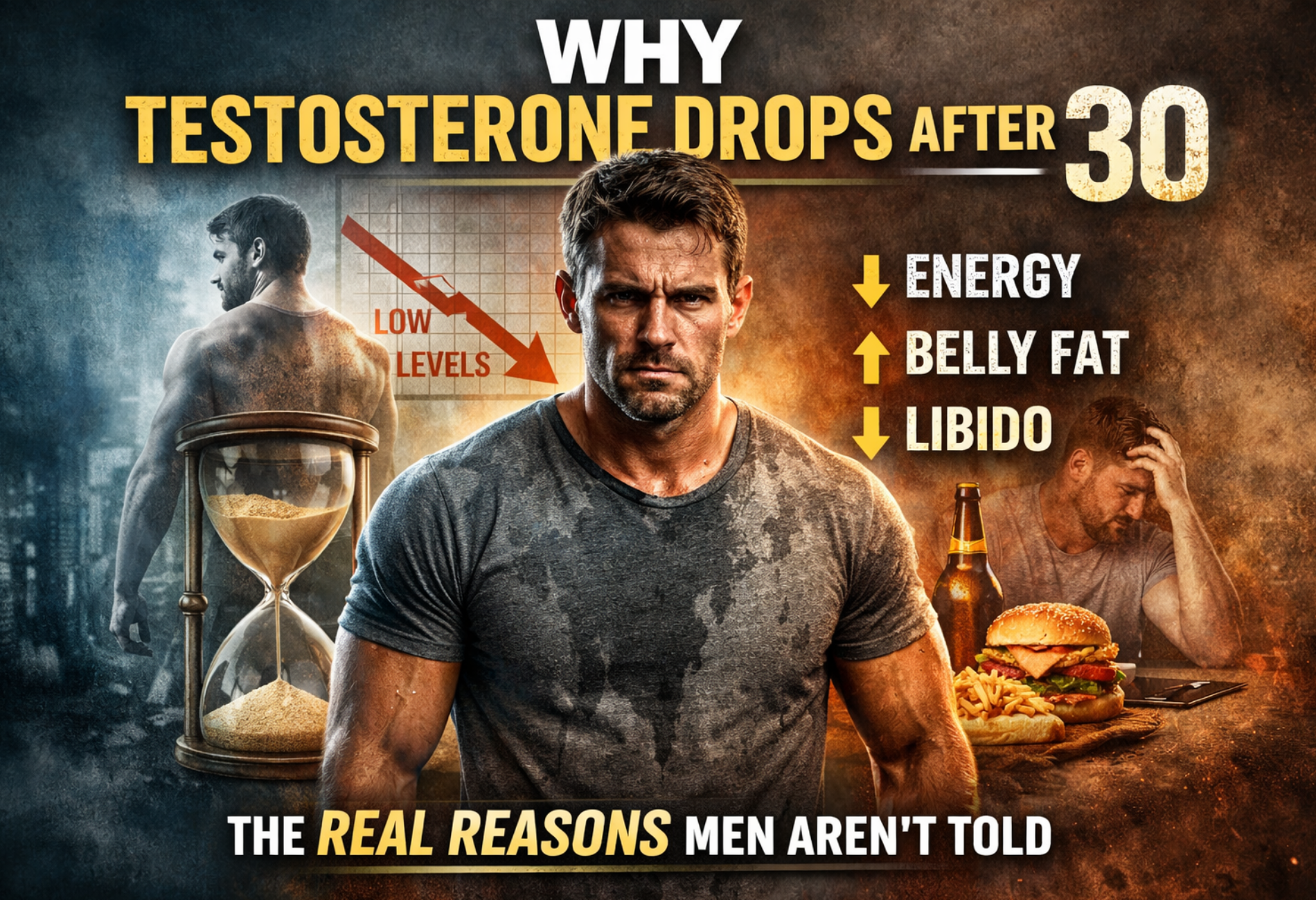
Testosterone levels typically peak in a man’s late teens to early 20s. After age 30, levels decline by about 1% per year. That doesn’t sound like much, until you realize it compounds year after year.
By your 40s and 50s, many men are operating far below optimal levels, even if their lab results still fall into the so-called “normal” range.
And here’s the key truth:
“Normal” does not mean optimal.
The 5 Real Reasons Testosterone Drops After 30
This has very little to do with bad luck and a lot to do with modern life.
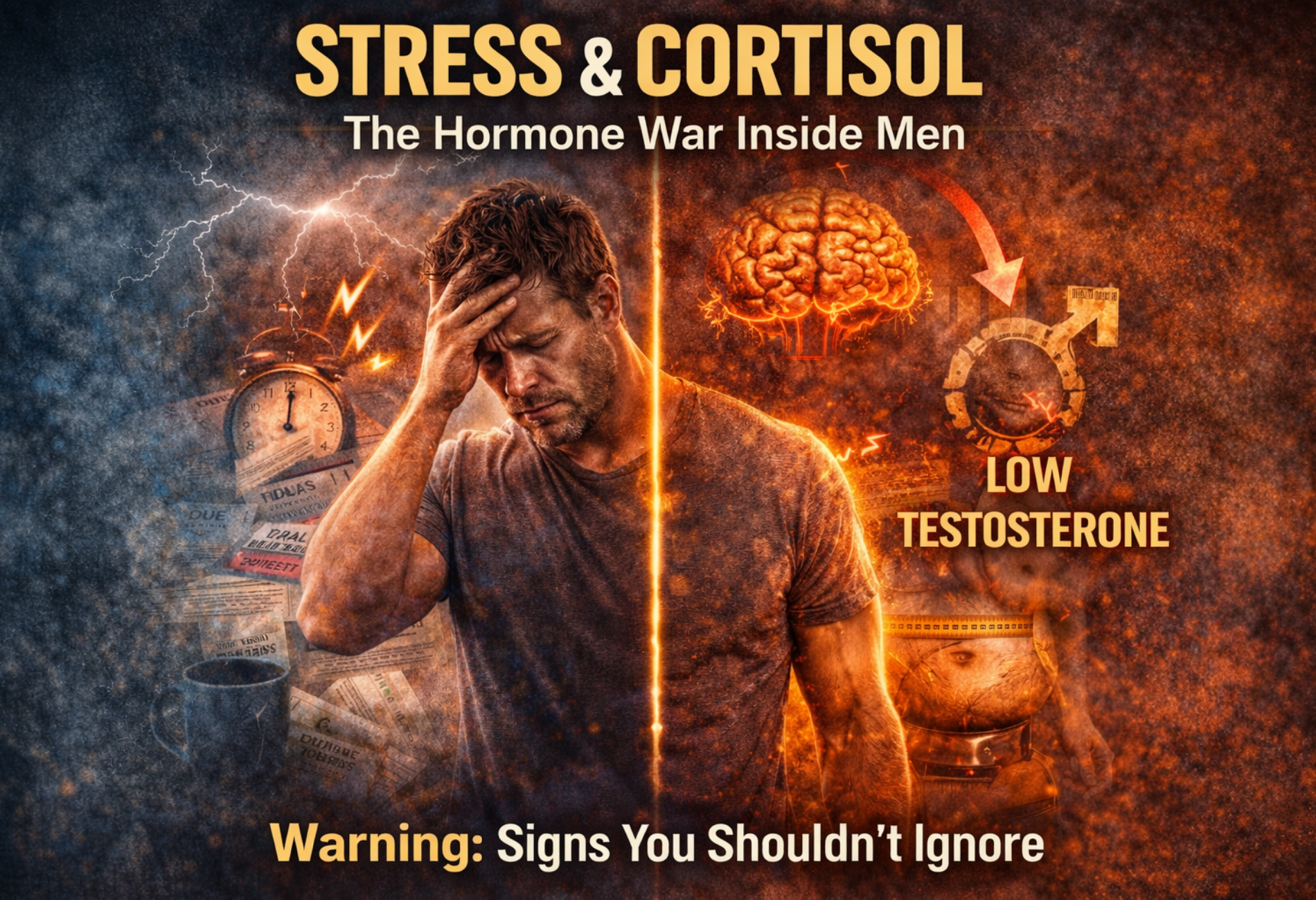
1. Chronic Stress and High Cortisol
Stress is the fastest way to crush testosterone.
When cortisol (the stress hormone) stays elevated, your body down-regulates testosterone production. It’s a survival mechanism, but one that backfires long-term.
Modern stressors include:
- Long work hours
- Financial pressure
- Poor sleep
- Constant screen exposure
Testosterone and cortisol work against each other. When one goes up, the other goes down.
2. Poor Sleep Quality (Not Just Sleep Time)
Most testosterone is produced during deep sleep.
If you:
- Sleep under 6–7 hours
- Wake frequently
- Have sleep apnea
- Scroll your phone late at night
…your testosterone production suffers, even if your diet and workouts are solid.
3. Increased Body Fat (Especially Belly Fat)
Fat tissue converts testosterone into estrogen.
This creates a vicious cycle:
- More fat → lower testosterone
- Lower testosterone → easier fat gain
Belly fat is especially aggressive at suppressing male hormones.
4. Micronutrient Deficiencies
Modern diets are calorie-dense but nutrient-poor.
Low levels of zinc, magnesium, and vitamin D are strongly associated with low testosterone, and most men are deficient without realizing it.
You can eat “healthy” and still miss the nutrients required for hormone production.
5. Overtraining or the Wrong Kind of Training
Hard workouts don’t automatically boost testosterone.
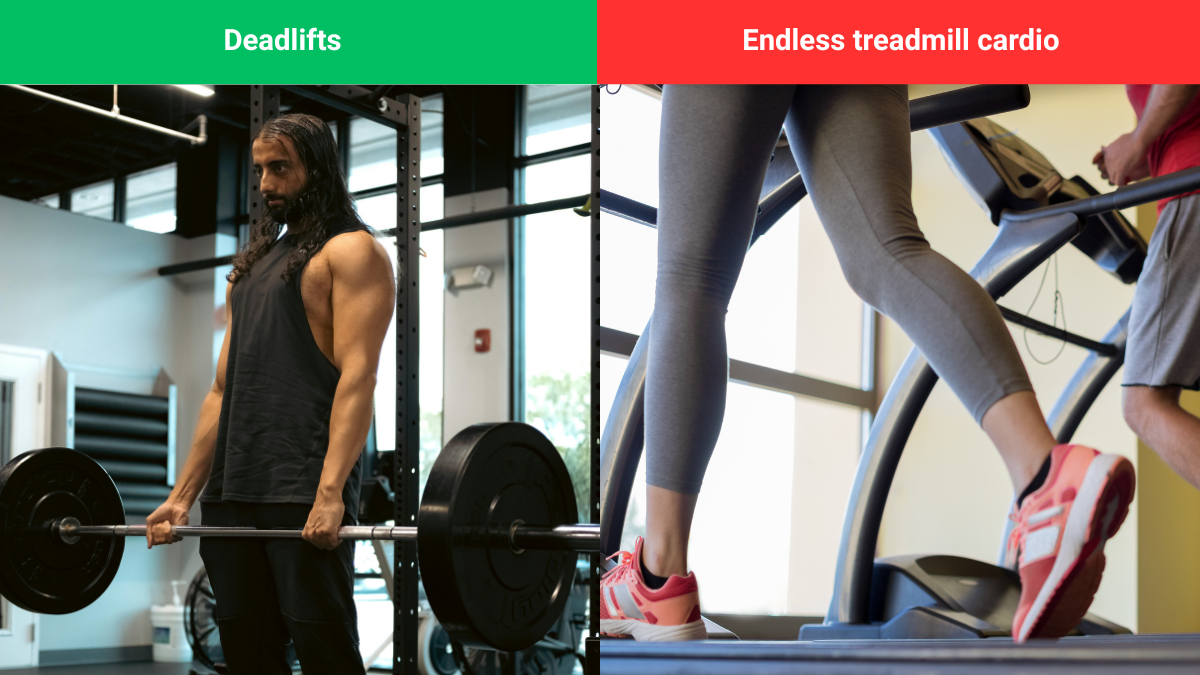
Excessive cardio, daily HIIT, or constant exhaustion sends a stress signal to the body. Instead of boosting testosterone, it raises cortisol and suppresses recovery.
More is not better; smarter is better.
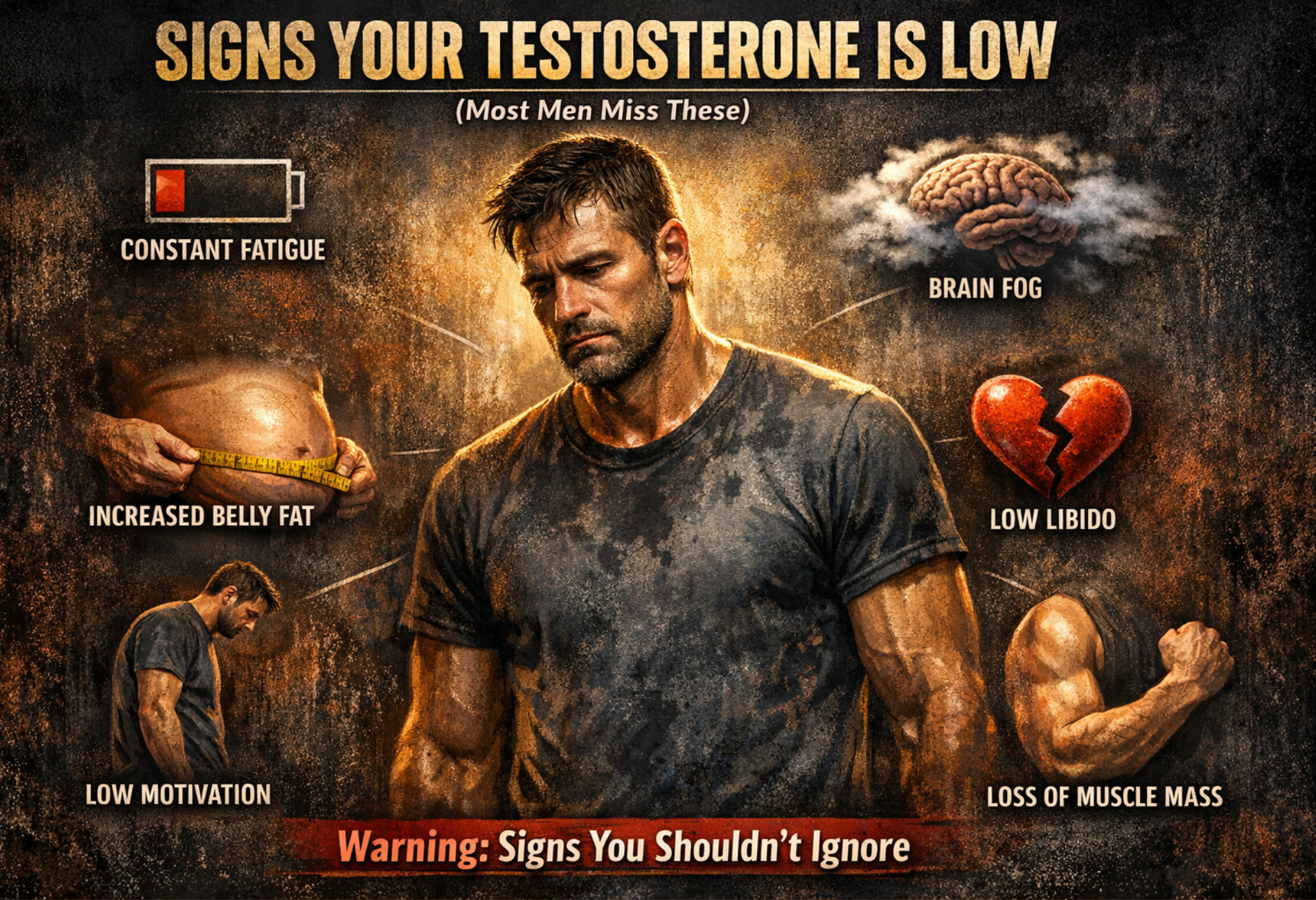
Signs Your Testosterone May Be Dropping
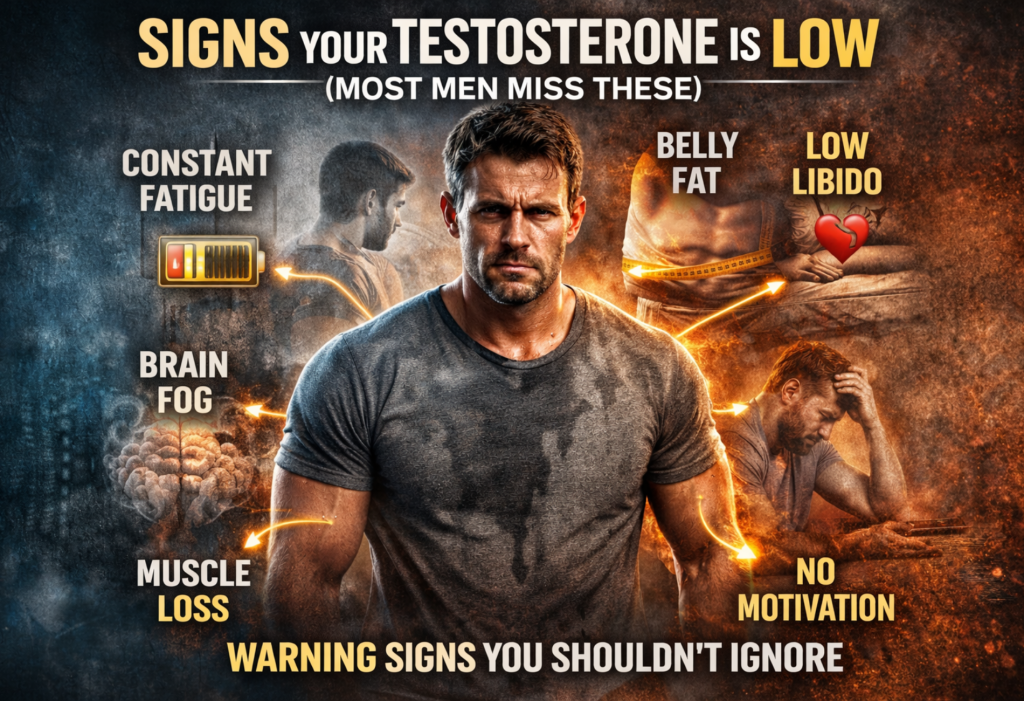
Many men ignore these signs for years:
- Low energy or constant fatigue
- Decreased motivation or confidence
- Reduced sex drive
- Brain fog or poor focus
- Muscle loss despite training
- Increased belly fat
- Poor recovery from workouts
These symptoms are often dismissed as “getting older,” but they are commonly hormone-related.
Can Testosterone Be Supported Naturally After 30?
Yes, in many cases.
Before jumping to extreme measures, most men can see improvement by addressing:
- Stress management
- Sleep quality
- Nutrition gaps
- Smarter training
- Hormone-supportive supplementation
This is where natural testosterone support becomes relevant.
Where Natural Testosterone Support Fits In
A quality testosterone support supplement is not a magic pill, but it can help when combined with proper habits.
A formula like Top T by Enhanced Labs is designed to support testosterone through:
- Adaptogens that help manage cortisol
- Key minerals linked to testosterone production
- Ingredients traditionally used to support male vitality
Many men use this type of support to help restore energy, drive, and performance while addressing lifestyle factors at the same time.
The goal isn’t to force hormones; it’s to support your body’s natural production.
How Long Does It Take to Notice Changes?
This depends on the individual, but most men who fix the basics and add proper support report:
- Energy improvements within 2–4 weeks
- Better focus and motivation within a month
- Body composition changes over 6–8 weeks
Consistency matters more than anything.
The Bottom Line
Testosterone doesn’t crash after 30 because your body “gave up.”
It drops because:
- Stress is higher
- Sleep is worse
- Nutrients are lower
- Fat gain is easier
- Recovery is slower
The good news? These are fixable problems.
If you’re serious about restoring your testosterone, not just masking symptoms, Top T is one of the better natural options worth trying. Check the latest price and details here: